
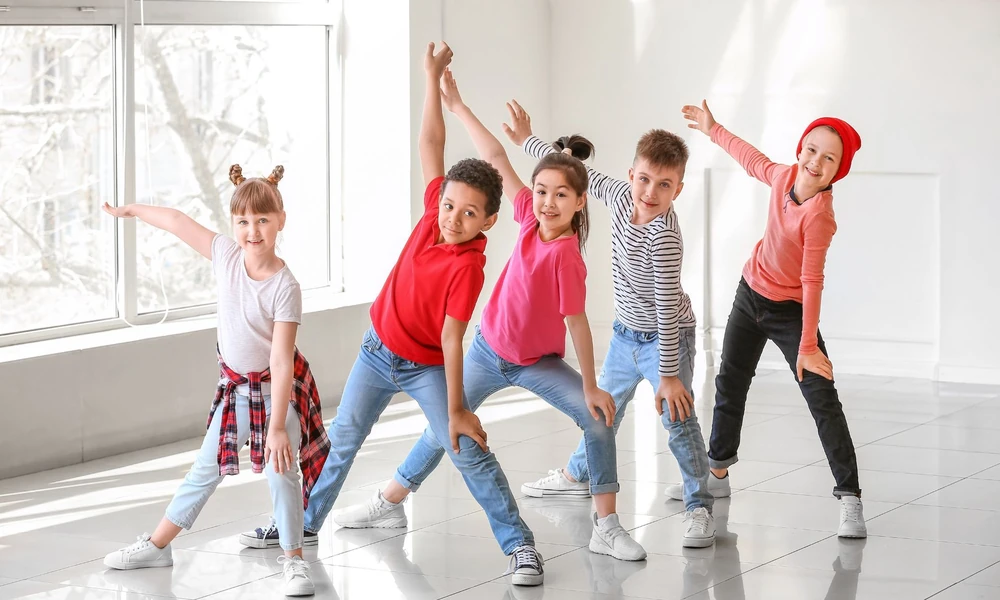
Rhythm can shape the way children listen, move and respond to the world around them. Dance gives young minds an active way to understand timing and coordination while encouraging creative expression. Among the many forms of dance tap dance offers a special experience because the dancer creates sound through movement. The feet become instruments and every step provides immediate feedback. This connection between sound and motion can make learning engaging while helping children develop greater awareness of their bodies. Research on dance education also connects participation with physical development and social-emotional growth.
Building a Strong Sense of Rhythm
Rhythm is not simply about hearing a beat. It involves recognizing patterns and responding to changes in timing. Children who practice rhythmic movement learn to listen carefully and coordinate their actions with musical structures. Basic steps can introduce steady beats before progressing towards faster combinations and more complex patterns. The immediate sound produced by each movement gives learners a clear form of feedback. They can hear when a step is too early or too late. NorthPointe Dance Academy highlights timing and musicality as important elements of this learning process.
Training Coordination through Every Step
Good rhythm requires cooperation between the brain and the body. Children must remember sequences while controlling their feet and maintaining balance. This creates a valuable opportunity to practice motor planning and body awareness. A systematic review published in 2026 examined dance programs and fundamental motor skills among preschool children. Its findings contribute to the growing research base around dance as a developmental activity. Dance education standards also recognize connections between neurological development and motor development during early childhood. These skills can support confidence as children become more comfortable controlling their movements.
Confidence Grows Through Achievement
Learning a new sequence can initially feel challenging. Completing it successfully creates a small but meaningful sense of achievement. Repeating this process teaches children that progress comes through practice and patience. Performing for classmates or an audience can provide another opportunity to develop self-assurance. Research involving dance activities with preschool children found increased confidence and greater willingness among participating children to communicate their ideas.
Creating Music through Movement
The magic of rhythmic dance also comes from its artistic heritage. The form developed through a blend of African American and European dance traditions in the United States. The Library of Congress describes its evolution as a long process involving British and West African musical and step-dance traditions. The Imperial Society of Teachers of Dancing similarly describes it as a percussive and rhythmical art form. Understanding this history can help children see dance as more than physical exercise. It becomes a way to communicate through sound and movement.
Preparing Young Minds for the Future
Dance can offer children much more than an enjoyable activity after school. It can encourage discipline and listening while strengthening coordination and creative expression. The National Dance Institute describes participatory dance and music programs as supporting physical health along with social-emotional and intellectual development. The National Dance Education Organization also identifies cognitive development and emotional maturation among the broader benefits associated with dance education. When children learn to listen to rhythm and respond with confidence they practice skills that can extend beyond the studio. Each step becomes part of a larger journey towards creativity awareness and self-belief.